
Are you wondering what today’s Corona buyers really care about when they walk through your front door? You are not alone. In a market shaped by commute considerations, budget awareness, and long summers, the right features can make your home stand out and sell faster. In this guide, you will learn which upgrades matter most right now, how to prioritize them, what they typically cost, and how to present them so buyers take notice. Let’s dive in.
Who is buying in Corona now
Corona attracts commuter families, first-time buyers, move-up households, and downsizers who value space, practicality, and predictable costs. Many buyers commute to Orange County or Los Angeles, so they weigh home features against time on the road and monthly expenses.
Our local climate brings hot, dry summers and mild winters. That means strong cooling, shade, and energy efficiency are top of mind. Buyers also look for usable outdoor living, flexible floor plans, and small details that make daily routines easier.
Top features buyers ask for
Energy efficiency and lower costs
Lower utility bills and comfort in summer are major draws. Buyers respond to:
- High-efficiency central AC with modern SEER ratings
- Upgraded insulation and attic ventilation
- Double-pane low-e windows and weather-stripping
- Smart thermostats with Wi-Fi controls and energy reports
- Owned solar systems preferred over leases
- Tankless or high-efficiency water heaters
- LED lighting and ENERGY STAR appliances
- EV charging readiness with a 240V outlet or Level 2 charger
What helps you sell: have documentation ready. Collect HVAC service records, recent energy bills, solar ownership paperwork, and any rebate or credit information. Owned solar often receives stronger buyer reception than leased systems.
Functional floor plans and usable space
Families want main living areas that flow while still offering privacy. Features that stand out include:
- Primary suite with en suite bath and ample closet space
- Open kitchen and family room connecting to the backyard or patio
- Well-sized secondary bedrooms with good storage
- Mudroom or drop zone near the garage entry
- Laundry near bedrooms or on the main level
- Pantry and garage storage with easy access
Simple changes can have a big impact. Removing a non-load-bearing wall to open sight lines or adding light can help a layout feel bigger and more practical.
Outdoor living and low-maintenance yards
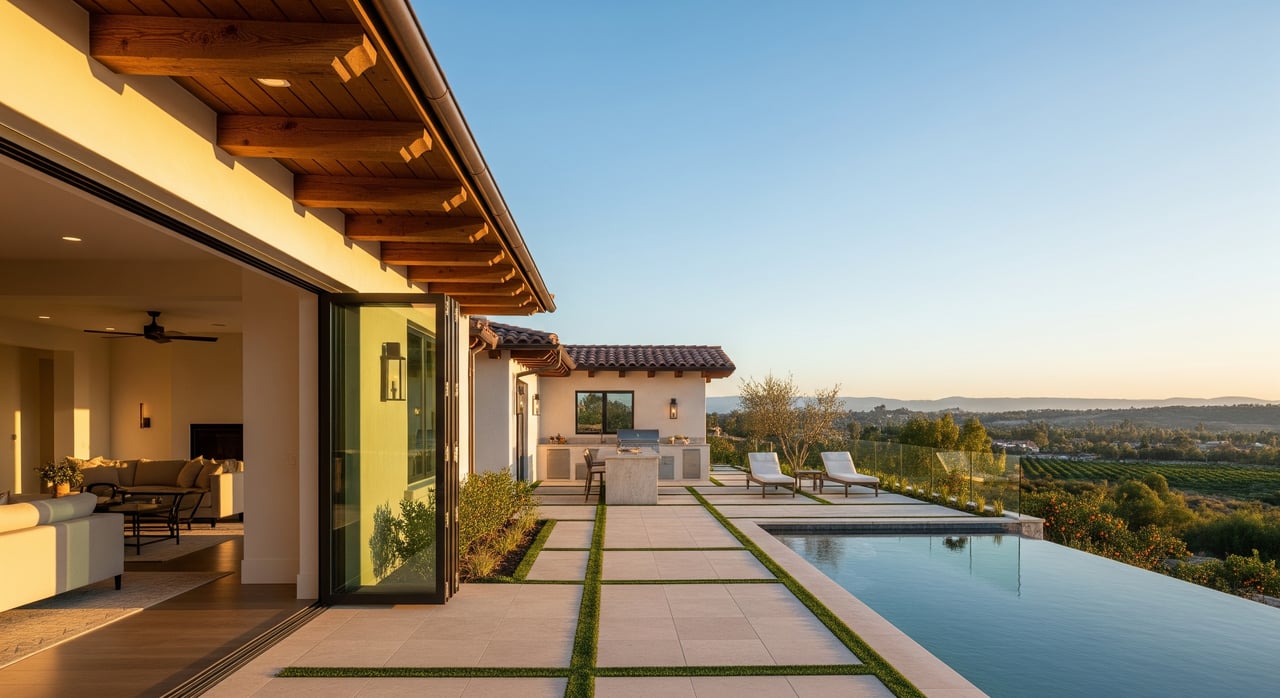
Outdoor space is treated as an extension of the home. Buyers respond to:
- Covered patios or pergolas for shade during summer
- Drought-tolerant landscaping with drip irrigation
- Level yard space and secure fencing
- Usable hardscape like pavers instead of bare dirt
- Outdoor lighting and a straightforward BBQ setup
In Corona, small but well-designed yards often beat larger, high-maintenance landscapes. Xeriscaping and Mediterranean plant choices are popular due to water costs and drought rules.
Flexible workspaces and connectivity
Remote and hybrid work is still shaping buyer wish lists. You will get more attention if you offer:
- A dedicated office or bedroom-to-office setup with a door for privacy
- Built-in desks or storage as a plus, not a must
- Reliable high-speed internet and documented speeds
- Good natural light and comfortable lighting for video calls
Minor upgrades go far. Add outlets, improve task lighting, and consider simple sound-absorbing elements to make the space feel professional and quiet.
Other in-demand features
- Modernized kitchens and baths through mid-level refreshes
- Finished or insulated garages with storage and EV readiness
- Smart-home features like doorbell cameras, smart locks, and thermostats
- Safety and accessibility elements, and where possible, single-level living or a primary suite on the main level
Upgrade priorities, budgets, and timelines
What to do first: low-cost, high-impact
Start with improvements that are fast and visible:
- Deep clean, declutter, and neutral paint
- Update lighting and door hardware
- Refresh landscaping and curb appeal
- Do minor kitchen and bath updates like new hardware or refaced cabinets
- Stage a home office nook and a welcoming outdoor seating area
Typical effort: a few hundred to several thousand dollars over 1 to 3 weeks.
Tactical upgrades with strong appeal
These projects often pay off in buyer interest without overextending your budget:
- HVAC service and a smart thermostat
- Weather-stripping and attic insulation improvements
- EV charger or a dedicated 240V garage outlet
- Mid-range kitchen or bath refresh, such as a new faucet, sink, or select appliances
- Patio hardscape upgrades or a simple shade structure
Typical effort: low to moderate costs, ranging from 1 day to several weeks depending on scope.
Big-ticket investments: when they make sense
Consider these only if local comparable sales support a higher price point:
- Owned solar installation
- Full kitchen remodel or adding a bath/bedroom
- Roof replacement, major HVAC replacement, or structural additions
These are high-cost items. They can help in the right neighborhood tier, but clean and modest updates often yield better near-term results in many mid-market Corona homes.
Typical costs and timelines at a glance
- Cosmetic refresh like paint, hardware, and landscape touch-ups
- Cost: low, often a few hundred to several thousand dollars
- Timeline: 1 to 3 weeks
- Mid-range kitchen or bath refresh
- Cost: moderate, often several thousand to low tens of thousands depending on scope
- Timeline: 2 to 8 weeks
- HVAC tune-up or smart thermostat
- Cost: low to moderate
- Timeline: 1 day to 1 week
- Window upgrades or screens
- Cost: moderate to high
- Timeline: 1 to 4 weeks
- Owned solar system
- Cost: high upfront; incentives and financing may be available
- Timeline: often 6 to 12 weeks from permit to activation
- Level 2 EV charger or 240V outlet
- Cost: low to moderate
- Timeline: 1 to 3 days or up to 1 to 2 weeks, permits may be needed
- Room conversions
- Cost and timeline: highly variable; plan for weeks to months and confirm permits
Permits, ROI, and documentation
Permit needs vary by project. Solar, structural changes, and new EV hardwiring may require permits in Corona and Riverside County. Always check with the City of Corona Building Division or county offices before starting. ROI depends on your neighborhood and recent comps. Keep records of all work, including receipts, permits, warranties, and service logs, so buyers feel confident and your listing agent can market accurately.
How to market your upgrades
Listing language that works
Phrases that highlight what buyers want right now:
- “Owned solar panels with documentation”
- “Primary suite on main level” or “spacious primary with walk-in closet”
- “Covered patio and low-maintenance drought-tolerant yard”
- “Dedicated home office with wired internet”
- “Recent HVAC service and programmable smart thermostat”
- “EV-ready garage with 240V outlet” or “Level 2 charger installed”
Photo and tour priorities
- Show indoor to outdoor flow, especially the kitchen and family room opening to the patio
- Feature the primary suite, the home office, and the laundry location
- Include energy features like solar panels, a newer HVAC unit, smart thermostat, and EV charger
- Use midday shots for landscaping and dusk shots for outdoor lighting and ambiance
What to have ready for showings
- Recent utility bills or a yearly summary
- Appliance manuals, receipts, and warranties
- Solar ownership and maintenance records or lease paperwork
- Permits and final inspections for major projects
- Service records for HVAC, roof, and water heater
Pricing and staging strategy
Price relative to updated comps in your neighborhood and submarket. Stage a simple but functional office area to remove guesswork for remote workers. In your copy and photos, emphasize durable, low-maintenance materials such as pavers and composite surfaces.
Incentives and financing options
Energy upgrades may qualify for special financing or rebates. In many California areas, owners use PACE or HERO programs for efficiency and solar projects. Federal and state tax credits can apply to certain improvements. Utilities such as Southern California Edison or SoCalGas often run rebates that change over time. Confirm current programs and eligibility before committing to work.
Ready to sell with confidence
If you focus on energy efficiency, functional layouts, outdoor living, and flexible workspaces, you will meet the expectations of today’s Corona buyers. Start with low-cost wins, add tactical upgrades that highlight comfort and savings, and present strong documentation so buyers can move quickly with confidence.
Want a custom pre-list checklist and pricing plan for your home? Reach out to Christine Cricket Smith Properties. Let’s get you the keys — book a free consultation.
FAQs
Do Corona buyers prefer owned solar over leased systems?
- Many buyers respond better to owned solar systems than leased ones, and they often ask for ownership documentation and recent energy bills.
What are the most cost-effective pre-listing upgrades for a Corona home?
- Start with a deep clean, neutral paint, lighting and hardware updates, landscaping refresh, HVAC service, and a smart thermostat to show comfort and lower costs.
How important is outdoor living in Corona’s climate?
- Very important. Covered patios, shade, low-maintenance landscaping, and usable hardscape help buyers see the yard as an extension of living space.
Do I need a dedicated home office to attract remote workers?
- A quiet, well-lit space with a door is ideal. Even a staged bedroom-to-office setup with added outlets and better lighting can satisfy remote and hybrid workers.
Which documents should I gather before listing my Corona home?
- Collect utility summaries, HVAC and roof service records, appliance manuals and warranties, solar paperwork, and permits for any major work.
What upgrades help reduce monthly costs for buyers in Riverside County?
- High-efficiency AC, insulation, low-e windows, smart thermostats, LED lighting, efficient appliances, and EV charging readiness are all popular cost-saving features.
