Wondering what it’s really like to live near Temecula Wine Country? The vineyards, rolling hills, and tasting rooms create a beautiful backdrop, but day-to-day life here comes with its own rhythm. If you are thinking about buying near the wineries, this guide will help you understand how location, traffic, noise, and local rules can shape your experience. Let’s dive in.
What Temecula Wine Country Feels Like
Temecula Valley Wine Country stretches across more than 33,000 acres and includes nearly 50 wineries, concentrated east of I-15 along Rancho California Road, De Portola Road, and Calle Contento. According to the Temecula Valley winery map, the area is known for rolling hills, a 1,500-foot elevation, ocean breezes, and cool summer nights.
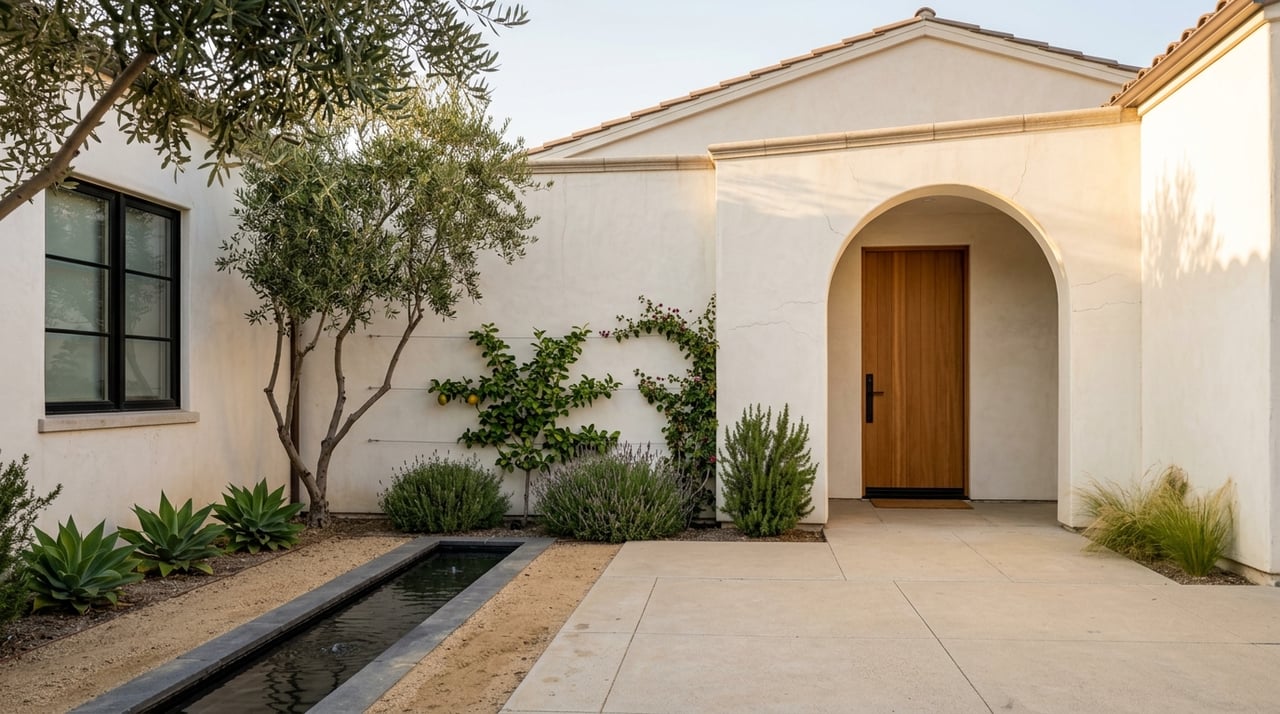
For you as a buyer, that means the setting often feels more open and rural than other parts of Temecula. You may find larger lots, custom homes, ranch-style properties, and equestrian-oriented surroundings, especially closer to the wine trails.
Daily Life Near the Vineyards
Living near Temecula Wine Country often means your weekdays and weekends feel a little different from a typical suburban neighborhood. The area is shaped by agriculture, tourism, and outdoor activity, so you are not just buying a home. You are stepping into a specific lifestyle.
Expect a Leisure-Focused Weekend Rhythm
The local calendar stays active year-round. The Temecula Valley Winegrowers Association event calendar highlights annual Crush and Barrel Tasting events, along with concerts, tours, tastings, weddings, meetings, and other celebrations.
That activity can be a plus if you enjoy having local experiences close to home. It also means weekends may bring more visitor traffic than you would see in a standard residential area.
Rural Roads Still Shape the Experience
Even with strong tourism, parts of Wine Country still feel distinctly rural. The official winery map reminds drivers to watch for horseback riders, which says a lot about the area’s pace and character.
If you live nearby, you may share roads with equestrian users, slower-moving vehicles, and weekend visitors heading to wineries. For some buyers, that is part of the charm. For others, it is something to think through carefully before choosing a location.
Commuting and Traffic Patterns
If you work outside the immediate wine-country area, commute planning matters. Temecula’s transportation network is largely car-dependent, and I-15 remains the main corridor for daily travel.
I-15 Is the Main Commute Spine
The City of Temecula notes that most people travel by private automobile, which makes Wine Country a car-first lifestyle for most households. You can review the city’s transportation and commuting overview to better understand how the area functions day to day.
Regional traffic can be heavy. The Riverside County Transportation Commission says Temecula and nearby communities see some of the highest traffic volumes along the I-15 corridor, which is one reason improvements like the northbound I-15 auxiliary lane project were added between Temecula Parkway and Rancho California Road.
Weekends Can Feel Different
Tourism affects traffic flow in a very practical way. The Temecula Valley Winegrowers Association notes that transportation partners should be reserved in advance, especially on weekends, which signals consistent peak visitor periods.
If you are home shopping in this area, it is smart to visit neighborhoods both during the week and on a weekend afternoon. That gives you a more realistic sense of road activity near the routes you would use most.
Noise and Privacy Depend on the Parcel
One of the biggest questions buyers ask is whether living near the vineyards means constant noise. The honest answer is that it depends on the exact property and what is approved nearby.
Event Noise Is Location-Specific
Riverside County’s wine-country design guidelines state that residential subdivisions should provide a noise disclosure notice to prospective buyers if nearby properties may create periodic noise from outdoor special occasion facilities. Those same county design guidelines also say special event facilities should be located and oriented away from neighboring residences and may require a Noise Management Plan.
That tells you something important. Noise is not a blanket issue across all of Wine Country. It is a parcel-by-parcel issue tied to nearby land use and event approvals.
Not Every Winery Property Has the Same Rules
County project filings show that some winery proposals seek noise exceptions for outdoor events, weddings, and amplified live music, while other approvals prohibit outdoor amplified sound. You can see an example in Riverside County project filings.
For you, the takeaway is simple: the closer you are to active event venues, the more due diligence matters. A home with vineyard views may offer a beautiful setting, but it is worth understanding what nearby parcels are permitted to do.
City Rules vs. County Rules
This is one of the easiest details to miss when buying near Temecula Wine Country. Not every property people associate with “Temecula” is actually within Temecula city limits.
Some Areas Are Unincorporated
The City of Temecula explains that Wine Country, De Luz, Morgan Hill, and other unincorporated zones can fall outside the city, meaning county planning and code-enforcement rules may apply instead of city rules. The city outlines this clearly on its code enforcement page.
That can affect how certain day-to-day issues are handled, including property use, enforcement questions, and development-related matters. Before you buy, it is important to confirm whether a property is inside city limits or under county jurisdiction.
Short-Term Rental Rules Matter Too
If you are considering a home that may also be used as a short-term rental, county rules are especially important. Riverside County states that short-term rentals must follow quiet hours between 10 p.m. and 7 a.m., along with rules for noise, parking, and complaints under its short-term rental regulations.
For buyers with part-time use or investment goals, that is a key practical detail to review early.
What Homes Near Wine Country Are Like
The housing pattern near Temecula Wine Country often reflects the area’s rural and agricultural identity. That makes the housing stock feel different from more conventional neighborhood tracts in other parts of Temecula.
Larger Lots and Estate-Style Living
Riverside County says the Wine Country zones are intended to encourage agricultural cultivation, vineyards, wineries, equestrian uses, estate living, and the equestrian lifestyle. The county’s zoning framework divides the policy area into Winery, Residential, Equestrian, and North Wine Country districts.
That helps explain why homes closest to the vineyards often lean toward estate homes, ranch properties, equestrian properties, or custom homes with a rural feel. As you move farther from the wine-trail roads, you are more likely to see a more standard suburban pattern.
Design Standards Support the Rural Character
County design guidelines also emphasize low-mass buildings, earth-tone materials, and architecture that fits with winemaking or equestrian themes. In practical terms, that supports a setting that feels more open, more land-focused, and less dense than a typical city neighborhood.
If you are drawn to privacy, views, lot size, or a more grounded outdoor lifestyle, that can be a strong reason to explore this area.
How to Decide If It Fits You
Living near Temecula Wine Country can be a great match, but only if the lifestyle lines up with your daily needs. The right home here is not just about square footage or finishes. It is also about how you want your routine to feel.
Here are a few smart questions to ask as you narrow your search:
- How often will you commute via I-15?
- Do you enjoy being near visitor activity, or do you prefer quieter streets on weekends?
- How important are lot size, privacy, or rural surroundings?
- Are you comfortable with a car-first lifestyle?
- Have you confirmed whether the property is governed by city or county rules?
- Have you looked into nearby event venues or parcel-specific noise considerations?
A thoughtful home search in this area means looking beyond the home itself. You want to understand the setting, the road network, and the surrounding land uses so your purchase supports the way you actually live.
If you want help comparing Temecula Wine Country locations, understanding the tradeoffs between rural character and daily convenience, or finding the right fit for your budget and goals, connect with Christine Cricket Smith Properties. You will get practical, local guidance with a boutique approach that keeps your lifestyle and long-term plans front and center.
FAQs
What is everyday life like near Temecula Wine Country?
- Everyday life near Temecula Wine Country often blends rural surroundings, car-based commuting, and active weekends shaped by winery events, tourism, and outdoor activity.
Is living near Temecula Wine Country noisy?
- Noise near Temecula Wine Country depends on the exact parcel and nearby approved uses, especially if a property is close to a special event venue or winery with outdoor activities.
Are all Temecula Wine Country homes within Temecula city limits?
- No, some homes associated with Temecula Wine Country are in unincorporated areas where Riverside County rules may apply instead of City of Temecula rules.
What kind of homes are common near Temecula Wine Country?
- Homes near Temecula Wine Country often include larger-lot estate homes, custom properties, ranch-style homes, and equestrian-oriented properties, especially closer to the wine trails.
How is traffic around Temecula Wine Country?
- Traffic around Temecula Wine Country can be heavier along I-15 and on weekends when winery tourism is active, so it helps to test-drive routes at different times of day.
Can you use a Temecula Wine Country home as a short-term rental?
- In some county-governed areas, short-term rentals must follow Riverside County rules, including quiet hours, parking standards, and complaint procedures.
