
Thinking about timing your Temecula move just right? You are not alone. Many buyers and sellers try to plan around school schedules, spring inventory, and local events. In this guide, you will learn how Temecula’s housing market usually flows month by month, what local factors nudge demand up or down, and how to plan 3–6 months ahead so you are ready when the right moment arrives. Let’s dive in.
Temecula’s seasonal rhythm
Temecula generally follows the broader Southern California pattern. Inventory and buyer traffic rise in late winter, activity and pricing strength peak in spring and early summer, then showings and new listings taper into late summer and fall. Industry data for Southern California confirms that late spring often delivers the tightest days on market and strongest sale-to-list outcomes, which you can see in the California Association of Realtors monthly reports.
Local life adds a few twists. Family moves often target the summer break, tourism creates summer weekend buzz, and Inland Empire builders release new-home phases that can add choices for buyers. Keep those drivers in mind as you choose your window.
Spring: peak momentum
Spring, roughly February through May, is the market’s high-energy season.
- Inventory typically starts building by February, with many homes hitting the market in March through May.
- Buyer demand accelerates. You will see more showings, open houses, and offers, especially from families planning ahead for the next school year.
- Pricing and competition usually tighten in late spring. Days on market trend shorter, and multiple offers become more common in hot segments.
- Lenders are busy. Preapproval early in the season helps you move quickly.
If you want maximum exposure for a listing, aim to have your home professionally prepped and on the market during this window.
Summer: strong, shifting demand
From June through August, activity stays firm, then cools as school preparation begins.
- Inventory often remains relatively high early in summer, then eases from spring peaks.
- Demand stays solid in June and July as families try to close before school starts. Weekend traffic can bump up around local events and festivals promoted by the City of Temecula events page.
- Competitiveness may soften by August. Well-priced homes still sell, but you are less likely to see the frenzy of late spring.
- Days on market are usually a touch longer than spring, yet faster than fall or winter in many years.
Fall: a calmer window
September through November typically bring a measured pace.
- Inventory declines as some sellers pause or expire their listings.
- Buyer activity levels drop after Labor Day. Buyers who remain tend to be focused and motivated by job moves or specific needs.
- Prices can drift down from spring highs, and sellers may offer concessions or price adjustments to attract attention.
- Negotiation timelines and contingencies can be more flexible, which can help buyers who value breathing room.
Winter: quiet, strategic moves
December and January are the slowest months in most years.
- Inventory and demand are both low. Holidays and weather keep showings light.
- Serious buyers can find opportunities, but selling in winter means fewer eyes on your listing.
- Days on market are typically longest, and closings can take more time due to holiday schedules.
For some, this quieter season offers a tactical edge. If you are a buyer with clear goals and financing lined up, you may negotiate favorable terms.
Local timing factors in Temecula
Temecula’s calendar and regional dynamics can sharpen or soften seasonality.
- School-year planning. Families often aim to close in June through August so they can settle before the first day of school. Check the Temecula Valley Unified School District calendar when planning.
- Festivals and tourism. High-attendance weekends in Old Town and local venues can boost showings and impulse visits. The City of Temecula events page is a helpful planning tool for open-house timing.
- Commuter patterns. Temecula serves workers across Riverside, Orange, and San Diego counties. Regional hiring cycles and commute considerations affect buyer urgency. For context on commuting trends, explore the American Community Survey commuter data.
- New-home releases. Builders in the Inland Empire add inventory in phases, and incentives can draw buyers. Broader supply trends are tracked in the U.S. Census Building Permits Survey.
- Interest rates and macro trends. Rate shifts can amplify or mute seasonal peaks. Even in a “spring peak” year, financing conditions shape how intense competition feels.
Plan 3–6 months ahead
A little planning goes a long way. Use this timeline to stay on track for your spring or summer goals.
Sellers: aiming for spring listing
4–6 months out:
- Meet with a local agent to review comps and set your price window. Align on the ideal listing month.
- Begin decluttering and build a prioritized repair list. Get estimates for bigger items like roof, HVAC, or exterior paint.
- Gather key documents such as title, HOA rules, warranties, and recent utility bills.
2–4 months out:
- Complete impactful updates. Focus on exterior touchups, light kitchen or bath refreshes, and landscaping improvements.
- Hire a stager or agree on a staging plan. Book professional photography and any drone video well before the spring rush.
- Consider a pre-listing inspection to spot and solve issues early.
0–2 months out:
- Finalize deep cleaning, staging, and media. Go live on the MLS with a marketing plan aligned to spring buyer traffic.
- Schedule open houses on strategic weekends. If you want event spillover, coordinate around dates on the City of Temecula events page.
- Set your offer review plan, including response timelines, contingency preferences, and closing timing.
Sellers: targeting a summer close
- Use the spring plan, but move faster. List by May or June if you want to attract families aiming to move before school starts.
- If you miss the late spring peak, be price competitive and highlight move-in readiness to stand out.
Buyers: preparing for spring and summer
3–6 months out:
- Check credit early and get preapproved. Outline your target budget and neighborhoods.
- Set up MLS alerts and refine your criteria. If schools matter to you, review the Temecula Valley Unified School District calendar and verify boundaries with the district.
- Drive your commute at typical times to confirm travel patterns that fit your lifestyle.
1–3 months out:
- Tour actively as spring listings hit the market. Decide in advance where you can be flexible on inspection items and timelines.
- Understand common contingencies in the area. Prepare for escalation strategies if a home draws multiple offers.
- Work closely with your lender. Spring is busy, so ask about underwriting turn times and rate-lock options.
Buyers: considering fall or winter
- Expect fewer listings but more room to negotiate. You may secure stronger contingencies or price concessions from motivated sellers.
- Keep preapproval current and documents ready. When a good match appears, be ready to move.
Marketing tips for Temecula homes
Showcase the lifestyle buyers want to see in spring and summer.
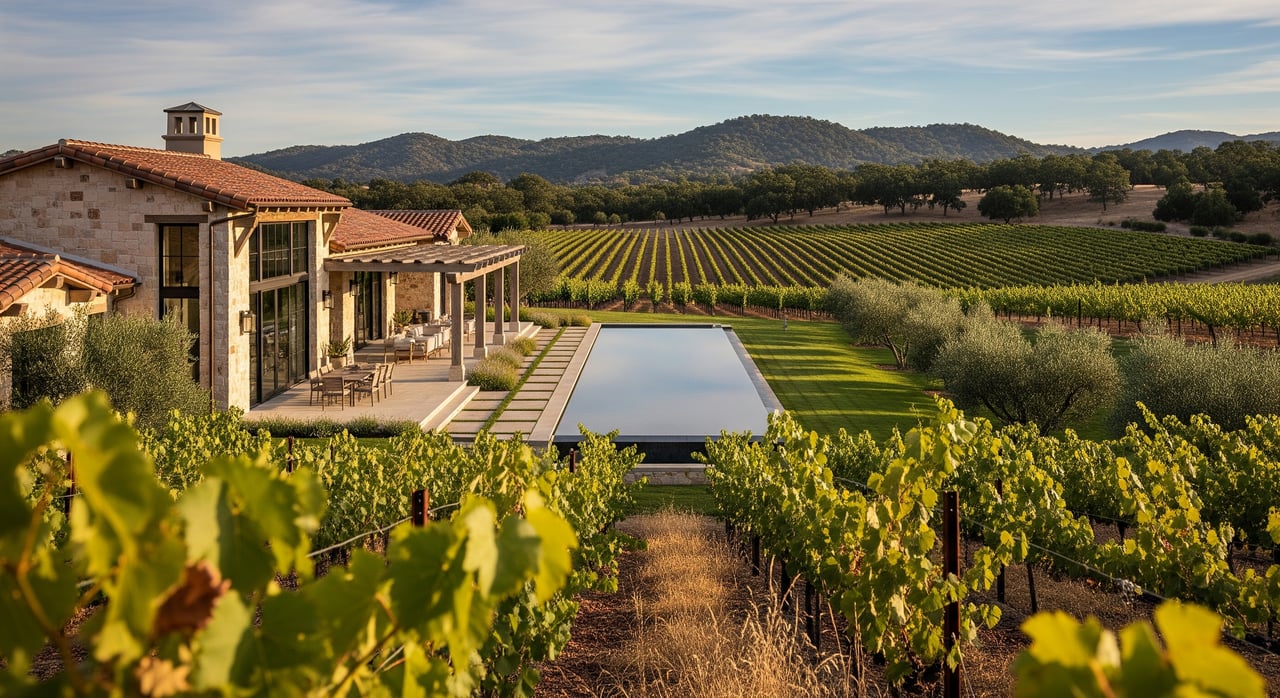
- Highlight outdoor living. Patios, pools, and gardens photograph best when the weather is clear and landscaping pops.
- Celebrate local context. Proximity to Old Town, weekend markets, and scenic drives can be part of your story. Check event dates on the City of Temecula events page if you plan open houses to harness weekend traffic.
- Time your photos. Spring blooms and blue skies elevate your listing’s first impression.
What this means for you
If you want the widest audience and the strongest list-to-sale momentum, late winter prep and a spring launch are time tested. If you prefer less competition or more negotiation leverage, fall and winter can be productive if you price and present well. Either way, a clear 3–6 month plan puts you in control of timing, financing, and presentation.
Ready to map your next move with a local plan that fits your goals and timeline? Reach out to Christine Smith for a thoughtful, step-by-step strategy tailored to Temecula and the Inland Empire.
FAQs
When is the best month to list in Temecula?
- Late March through May often delivers the highest buyer traffic and strongest list-to-sale outcomes in Southern California, supported by the California Association of Realtors monthly reports. Check the yearly school and event calendars to fine-tune your date.
How do schools affect Temecula home demand?
- Many families try to close between June and August to be settled before the first day of school, which increases spring shopping and summer closings. Confirm timing on the Temecula Valley Unified School District calendar.
Do local festivals change the market?
- Festivals and community events can boost weekend showings and spur interest, especially in early summer. Coordinate open houses around the City of Temecula events page for potential exposure.
What if I need to buy or sell in the fall?
- Fall typically brings fewer listings and a calmer pace. Buyers can often secure better terms, while sellers should lean on pricing accuracy and presentation to stand out.
How does new construction affect resale timing?
- Builder releases can add choices and sometimes incentives, which may temper bidding on nearby resales. Broader supply is tracked by the U.S. Census Building Permits Survey.
