
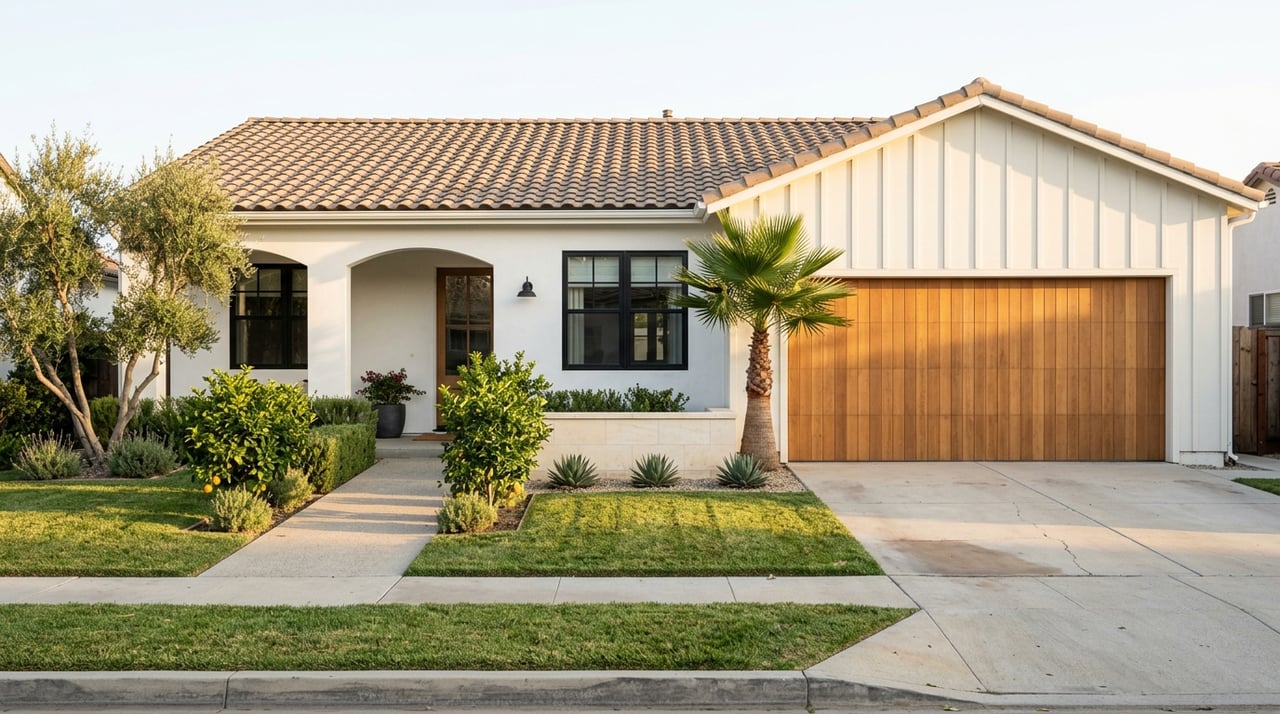
Wondering whether a new construction home or a resale home makes more sense in Corona? You are not alone. With prices, timelines, and neighborhood options varying across the city, the right choice often comes down to your budget, your move-in schedule, and how much customization you want. This guide will help you compare both paths in a practical, Corona-specific way so you can move forward with more confidence. Let’s dive in.
Corona Home Options at a Glance
Corona gives you two very different shopping experiences. On the resale side, the market is broad, with homes spread across many neighborhoods and price points. Redfin reports a median sale price of about $785,000, with homes selling in around 45 days and getting about two offers on average.
That broad resale range matters because Corona is not one-price-fits-all. Recent neighborhood and ZIP code snapshots show meaningful variation, from about $658,888 in Corona Hills to about $1.745 million in Norco Ridge Ranch. ZIP code medians also vary, with 92879 around $709,950 and 92860 around $1.0245 million.
New construction is more limited and tends to show up in planned communities rather than scattered custom-home lots. That lines up with Corona’s housing planning efforts, which are aimed at increasing supply and adding more housing types through rezoning and future development. In practical terms, if you want a brand-new home in Corona, you will likely be comparing a smaller set of builder communities instead of dozens of scattered options.
Why Buyers Choose New Homes
For many buyers, the biggest draw of new construction is personalization. In current Corona-area builder communities, buyers may be able to choose floor plans, exterior styles, design selections, and even homesite locations. That can be a major plus if you want your home to feel tailored to your needs from day one.
New homes can also come with a cleaner visual finish and fewer immediate repair concerns. Instead of planning for paint, flooring, or kitchen updates right after closing, you may move into a home where everything is brand new. For buyers who want a simpler start, that matters.
Another key benefit is energy efficiency. California requires solar photovoltaic systems for newly constructed buildings in most cases, with solar-ready requirements where exceptions apply. The 2025 Energy Code took effect on January 1, 2026, raising efficiency standards for new homes and other buildings.
That means a new home in Corona is likely to include features built around current code requirements. For example, KB Home says its Monteverdi homes are all-electric and solar-equipped, although solar is not included in the posted base price. This is a good reminder that newer does not always mean all-inclusive.
What to Watch With New Construction
The sticker price is only the starting point. Builder advertising often highlights a base price, but your actual cost may rise once you add homesite premiums, design upgrades, association fees, and solar costs. KB Home specifically notes that these items can affect the final price and that pricing and descriptions can change.
Timeline is another important factor. Some new homes may be move-in ready, which can shorten the wait. But personalized homes in Corona may take about 4 to 5 months to deliver, based on current builder marketing.
You should also understand how warranty protection works. In California, Civil Code section 900 requires builders to provide at least a one-year express written limited warranty for fit-and-finish items like cabinets, flooring, countertops, paint finishes, and trim. That gives you a defined protection layer, but it is still important to read the warranty carefully and keep records if issues come up.
For construction defects in newer residential homes purchased after January 1, 2003, the Contractors State License Board says buyers must contact the builder first and follow SB 800 pre-litigation procedures. In short, the process is not the same as buying a resale and requesting seller repairs. If you choose new construction, it helps to go in with clear expectations.
Why Buyers Choose Resale Homes
Resale homes offer more neighborhood choice, and in Corona that is a big advantage. You can search across established areas with different lot sizes, home styles, commute patterns, and price points. That wider inventory can help if your priorities are location, flexibility, or getting into a specific part of the city.
Resale homes also tend to offer a faster path to ownership. Since the home is already built, you are not waiting on construction unless you are planning major renovations after closing. With Corona resale homes selling in about 45 days on average, resale may fit better if your move timeline is tight.
Property type variety is another plus. Redfin shows that in addition to houses, Corona had 95 condos, 17 townhouses, and 9 multi-family units for sale last month. That makes the resale market more diverse than most builder communities.
Condition, however, can vary widely. Recent sold listings included everything from fixer-uppers sold as-is to updated homes with newer HVAC systems and fresh interior paint. So while resale can give you more choices, it also requires a sharper eye on maintenance and inspection issues.
What to Watch With Resale Homes
The main tradeoff with resale is uncertainty around upkeep. A home may look great at first glance but still have older systems, drainage concerns, roof wear, or dated finishes. In many cases, the inspection and repair negotiation process becomes a much bigger part of the transaction than it would with a brand-new builder home.
That said, not every resale home is outdated. Some Corona homes have already been remodeled and may compete well with new construction on style and livability. If you are open-minded, resale can sometimes give you the best mix of location and updated condition.
You should also remember that “established” does not always mean “lower cost.” Corona’s neighborhood pricing varies widely, and some resale areas command premium prices based on location and housing stock. The right comparison is not just new versus old. It is total value for your goals.
Comparing Total Monthly Cost
If you are deciding between new and resale in Corona, one of the smartest things you can do is compare the full monthly cost. That means looking beyond list price to include taxes, insurance, association dues if any, utility expectations, and any community-specific charges.
For builder communities, ask directly about homesite premiums, upgrade packages, solar costs, and HOA fees. Also ask whether the community has special assessments or Mello-Roos. The City of Corona finance page provides a contact for Special Assessment District and Mello-Roos inquiries, which can help you verify costs before you commit.
For resale homes, the full cost picture may include future maintenance or near-term improvements. A lower purchase price can be appealing, but if you need a new roof, HVAC work, or a kitchen update soon after closing, your real budget may look different. Comparing monthly payment alone is not enough.
Location Factors That Matter in Corona
In Corona, location can shape your daily life just as much as the house itself. Buyers often compare access to major commuting routes, nearby shopping and dining, and distance to everyday services. Builder communities are often marketed around those convenience factors, including access to I-15, Highway 91, Dos Lagos, Tom’s Farms, Glen Ivy Hot Springs, Eagle Glen Golf Club, and nearby schools.
If you are considering a hillside or edge-of-city location, wildfire exposure should also be part of your research. Corona’s Fire Hazard Severity Zones information shows the city is adopting updated 2025 maps. It also notes that building permit applicants in Very High zones must comply with California Building Code Chapter 7A, and after adoption, the same standard will apply to both High and Very High zones.
This does not automatically make one home better than another. It simply means you should understand the parcel-specific context before you buy. A careful location review is just as important as comparing finishes and square footage.
New or Resale: Which Fits You Best?
A new construction home in Corona may fit you best if you value personalization, current energy-code features, and the structure of builder warranty coverage. It can be a strong choice if you are comfortable with a narrower set of community options and you want a home that feels fresh from day one.
A resale home may fit you better if you want more neighborhood choice, potentially faster move-in timing, or a broader range of property types. It can also be the better path if you want to shop established areas and compare homes with different levels of updating.
There is no one-size-fits-all answer. The best decision usually comes from matching the home type to your budget, timeline, and comfort level with tradeoffs. In Corona, both paths can work well when you compare them carefully.
If you want help sorting through builder pricing, resale value, or the true monthly cost of different Corona options, Christine Cricket Smith Properties can walk you through it step by step. Let’s get you the keys and book your free consultation.
FAQs
What is the difference between new and resale homes in Corona?
- New homes in Corona usually offer personalization, current energy-code features, and builder warranty coverage, while resale homes typically offer more neighborhood choice, more property-type variety, and faster move-in potential.
How long does it take to move into a new construction home in Corona?
- Some builder homes may be move-in ready, but personalized new homes in current Corona communities may take about 4 to 5 months to complete.
How fast do resale homes move in Corona?
- Redfin reports that Corona resale homes are selling in about 45 days on average, which usually makes resale a shorter path to ownership than build-to-order new construction.
What extra costs should buyers check in Corona builder communities?
- Buyers should ask about solar costs, HOA fees, homesite premiums, optional upgrades, and whether the community has special assessments or Mello-Roos that could increase monthly costs.
Do new homes in Corona come with a warranty?
- Yes. California Civil Code section 900 requires at least a one-year express written limited warranty for fit-and-finish items in new homes, though buyers should review the builder’s warranty terms and exclusions closely.
Why do resale homes in Corona need closer inspections?
- Resale homes can vary widely in condition, and some may have older roofs, HVAC systems, drainage issues, or cosmetic wear, so inspections and repair negotiations are often a bigger part of the process.
Are there more housing types in Corona’s resale market?
- Yes. Recent Corona listings included houses, condos, townhouses, and multi-family properties, giving resale buyers more variety than most new builder communities.
Should Corona buyers check wildfire zone information before buying?
- Yes. For hillside or edge-of-city properties, buyers should review Corona’s Fire Hazard Severity Zone information to understand whether a parcel may be affected by updated map designations or Chapter 7A building requirements.
